Installing a rooftop solar system is one of the smartest decisions for any home or business in India. But to keep your solar system efficient for the next 25 years, it’s important to understand the installation process, regular maintenance, cleaning methods, and how to solve common issues.
This guide covers:
- Rooftop Solar Installation Process (Step-by-Step)
- Common Solar Panel Problems & Their Solutions
- How to Increase Solar Panel Efficiency
- Cleaning & Maintenance Tips for Best Performance
1. Rooftop Solar Installation Process Explained
The installation of a rooftop solar system follows a standard checklist that ensures safety, performance, and compliance with DISCOM regulations.
Step 1: Site Survey
A technician visits your home to check:
- Roof size & shading
- Roof direction (south-facing is best)
- Load capacity
- Electrical connection & safety
Step 2: System Design & Quotation
Based on the survey, the vendor designs:
- Panel layout
- Inverter size (on-grid, off-grid, or hybrid)
- Structure type (RCC, tin shed, elevated, etc.)
- Wiring & protection devices
Step 3: Approval & Documentation
For subsidized systems:
- Apply on National Solar Portal
- Submit necessary documents
- Wait for TFR (Technical Feasibility Report) approval
Step 4: Installation Work
Includes:
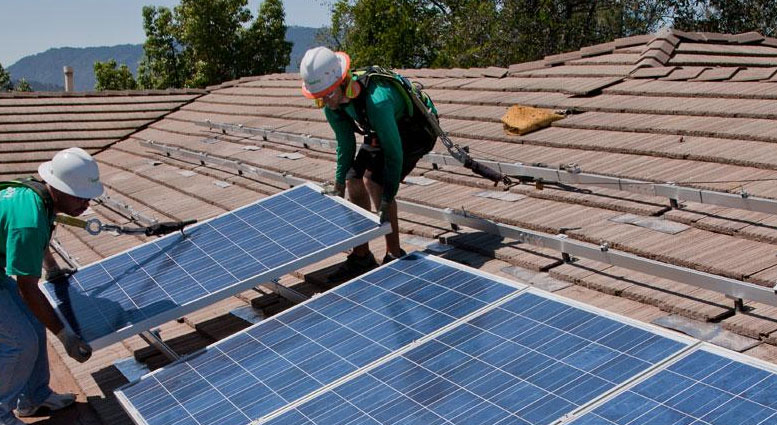
- Mounting structure installation
- Placing solar panels
- DC wiring
- Inverter setup
- Earthing & lightning protection
Step 5: Net Meter Installation
DISCOM installs a net meter to track:
- Solar units exported to the grid
- Grid units consumed
Step 6: Testing & Commissioning
Electrician checks:
- Voltage levels
- String connections
- Inverter performance
Step 7: Subsidy Release
After final inspection, the subsidy amount is directly transferred to your bank account.
2. Common Solar Panel Problems & Their Solutions
Even though solar systems are highly reliable, a few common issues may occur over the years.
Problem 1: Low Power Output
Causes: Dust, shading, panel degradation, weak wiring
Solution: Regular cleaning, check for shadows, tighten connections, replace faulty strings
Problem 2: Inverter Not Working
Causes: Overheating, wiring issues, grid failure
Solution: Ensure proper ventilation, reset inverter, check DC cables, consult an electrician
Problem 3: Bird Droppings on Panels
Solution:
- Install bird spikes
- Use elevated structures
- Clean panels weekly
Problem 4: Hot Spots on Solar Panels
Cause: Poor wiring or damaged cells
Solution: Replace damaged panel or string
(This should be done by a certified technician.)
Problem 5: Grid Fluctuation Issues
Solution:
Install proper surge protection and ensure inverter settings match DISCOM requirements.
3. How to Increase Solar Panel Efficiency
Solar panels naturally lose some efficiency over time, but with smart steps, you can maximize their performance.
Tip 1: Install Panels at the Right Angle
In India, the ideal tilt angle is 10° to 30°, depending on your location.
Tip 2: Reduce Shading
Trim nearby trees, remove satellite dishes or obstacles.
Tip 3: Use High-Quality Inverters
A good inverter increases total system efficiency by 5–10%.
Tip 4: Clean Panels Regularly
Even small dust layers can reduce output by 10–20%.
Tip 5: Keep Panels Cool
Higher temperatures reduce efficiency. Elevated mounting allows airflow under the panels.
Tip 6: Use MPPT Technology
MPPT charge controllers optimize power production, especially in cloudy weather.
Tip 7: Replace Faulty Cables & Connectors
Loose wires cause voltage drops and reduce output.
4. Cleaning & Maintenance Tips for Solar Panels
Keeping your solar panels clean is the most important part of maintenance.
How Often Should You Clean Panels?
- Once every 2–4 weeks in dusty areas
- Twice a month during summer
- After every heavy storm
Cleaning Tips
- Use a soft cloth or sponge
- Use normal water — no chemicals
- Avoid using hard brushes
- Do cleaning early morning or evening to avoid heat cracks
- Never pour cold water on hot panels
Maintenance Checklist
- Check inverter daily (for red or green lights)
- Monitor generation through the app
- Inspect wiring and connectors every 3 months
- Ensure earthing and lightning protection is intact
